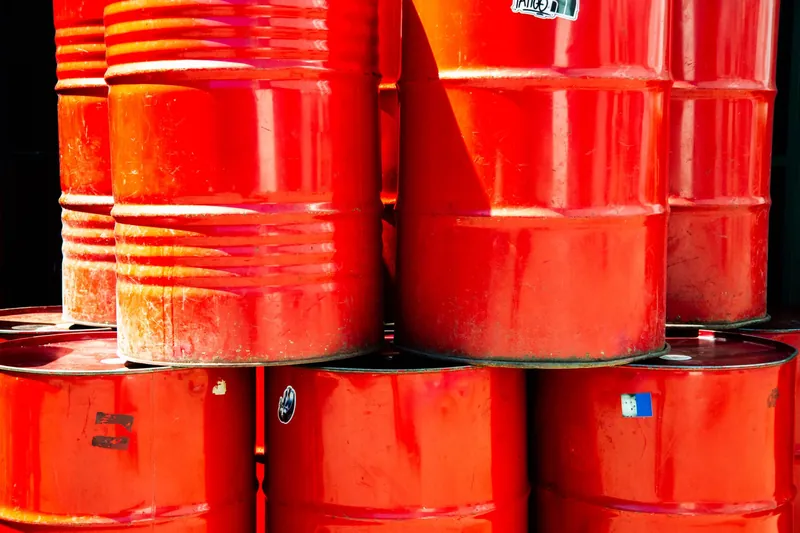
Biohazard Waste Disposal
Biohazard waste pickup and disposal in sealed, labeled containers.
See biohazard waste disposalArrange pickup of sharps, red bag waste and other accepted medical waste from a clinic, care setting, workplace or cleanup site in Madison Park. Closed containers go through the appropriate treatment and disposal route.
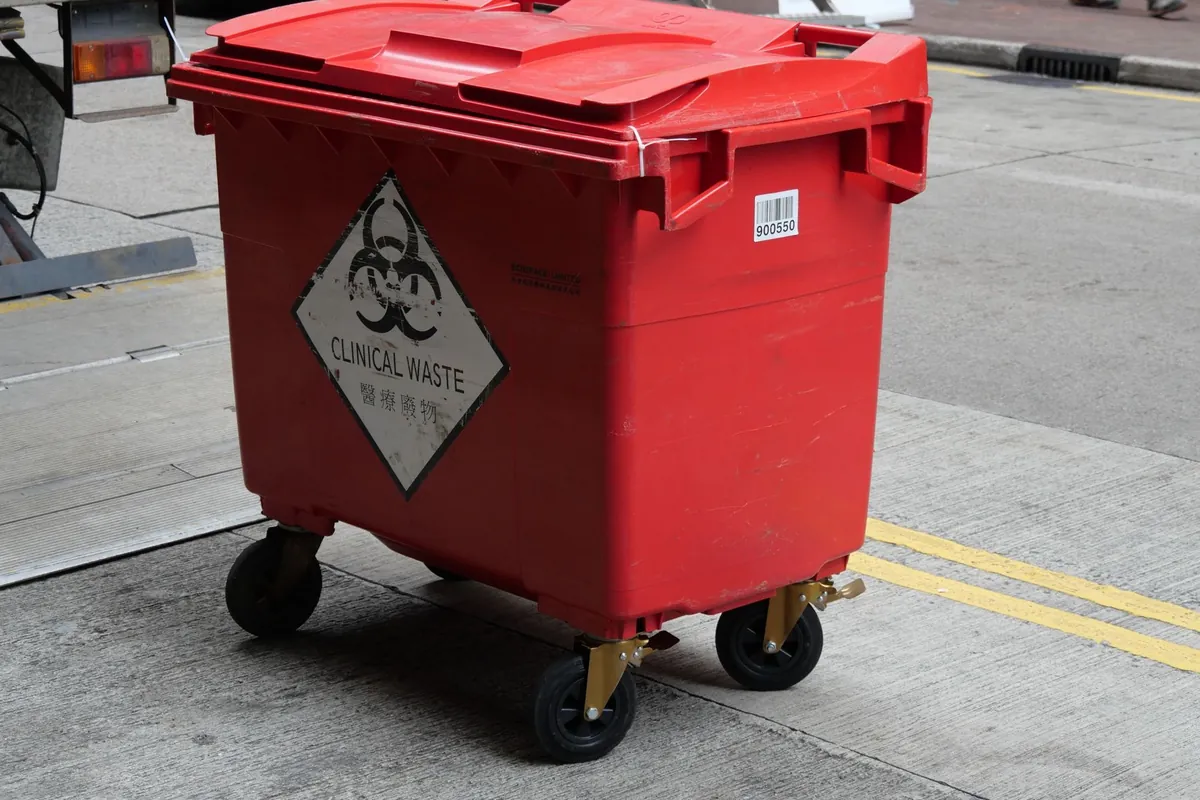
Medical waste removal controls how regulated waste is collected, moved and treated. Sharps, materials with blood contamination and other items unsuitable for regular trash are included.
A biohazard pickup service can serve tattoo studios, laboratories, care settings, medical and dental offices, plus other workplaces where this waste is generated. Professional cleanup services can arrange pickup for sealed waste produced during blood cleanup or biohazard remediation as well. First, the material must be identified by type and each type placed in a container that is compatible with it.
Different medical waste materials require separate preparation. Put sharps in a rigid container that resists punctures. Soft materials saturated by blood or bodily fluids generally belong in a red biohazard bag held within an outer container that closes. Rules may differ for pharmaceuticals, chemicals, radioactive material and general hazardous waste. Never add them to a medical waste container before confirming that they belong there.
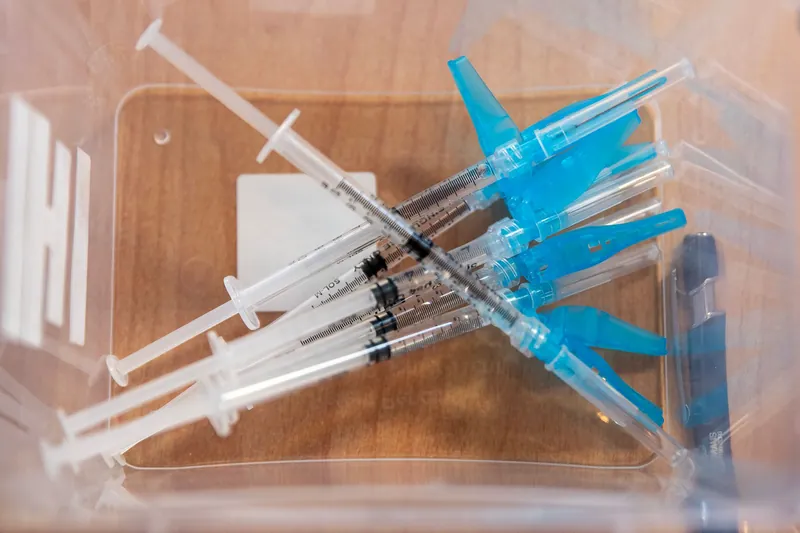
At your site, workers should wear protective gear matched to the known waste while leaving containers closed and uncompressed.
Pickup details, available tracking records and a clear schedule help you maintain your files and move forward with the next collection.
Find out in advance which lab materials, sharp objects, red bag waste and additional items the service will accept.
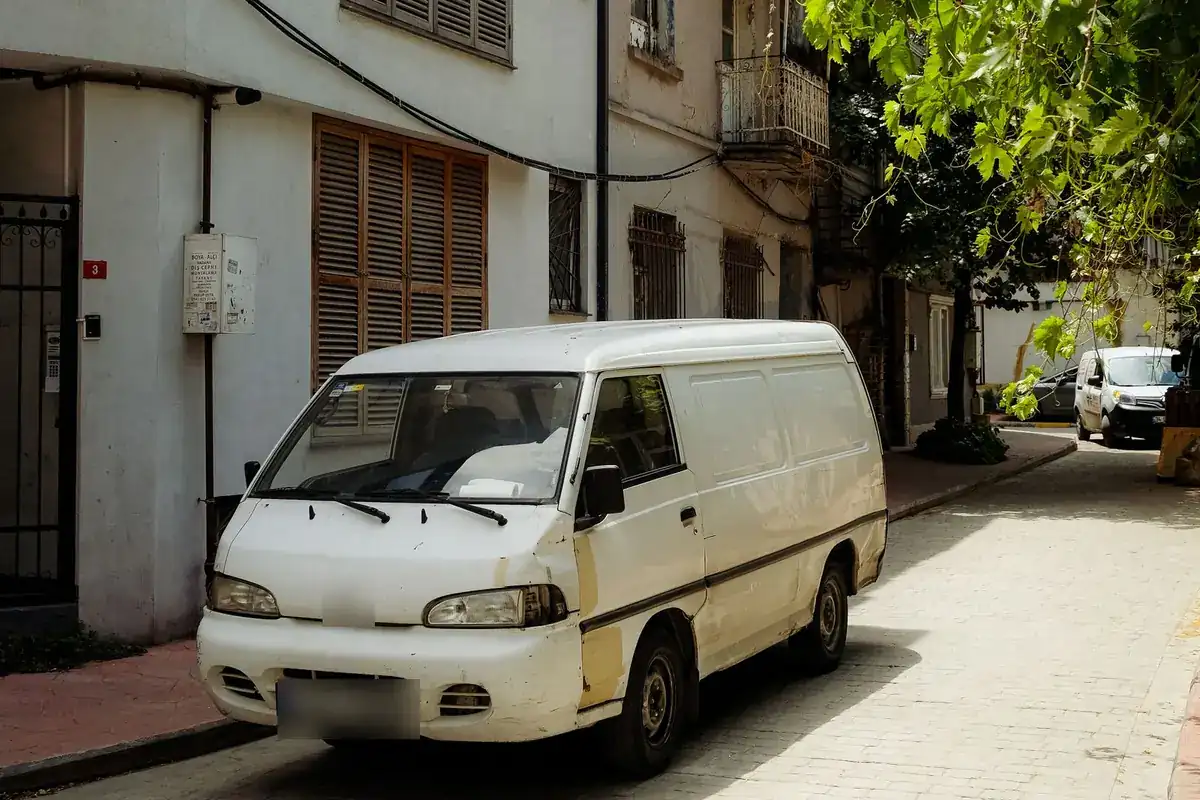
For privacy at your property, crews may arrive in unmarked vehicles and move sealed containers carefully.
Medical waste pickup is needed when a workplace or cleanup site has regulated waste that cannot go into its regular trash. Common situations include:
Used sharps, other regulated items, saturated dressings and disposable protective equipment may require regular pickup from outpatient and physician practices.
After biohazard waste cleanup, affected areas may contain sealed bags or bins holding removed porous items, absorbent supplies and disposable protective gear that need approved disposal.
Labs may need separate containers and clear waste identification before cultures, specimen materials or contaminated disposables can leave the site.
Scheduled pickups can help care facilities keep full containers from accumulating in treatment, medication and utility spaces.
Keep others clear of any loose waste, then check the container type. Begin every situation this way. These actions lower the chance of contact and help cleanup technicians organize the pickup:
Call (888) 440-9227Published cost guides show a per-pound charge of 30 to 80 cents for regulated medical waste and $2 to $20 for broader medical waste disposal by the pound. MedPro Disposal gives small physician practice figures ranging between $75 and $200 per month, plus a dental office range of $50 through $175 monthly. Weight, container needs, waste type, transport and how often pickup occurs determine your actual charge.
These national ranges are taken from published cost guides, rather than a property visit. An on-site assessment determines your property's price, which is explained to you before the cleanup starts.
Ask about cost: (888) 440-9227Routine pickup of medical waste is generally budgeted as an operating expense for a business. When a sudden covered event creates the waste, it may be considered alongside the associated cleanup claim. The cause and policy determine coverage.
When appropriate, retain affected area photos, the pickup record, cleanup scope, invoices and insurance claim number. Ask the insurance company which records are required before discarding claim documents.
If a sudden event created biohazard waste, contact the insurance company before disposal when it is safe to do so. Ask whether cleanup, containers, transport and disposal can be part of the claim.
Clinics, dental offices, laboratories and care facilities commonly organize their own ongoing waste collection. The person responsible for your facility's waste account can explain the collection budget.
For rented commercial premises, the lease can specify the party responsible for waste disposal. Read your lease, and keep all regulated material out of communal garbage areas.
Medical waste remains identified and contained throughout cleanup, beginning at assessment and continuing through treatment at an approved destination. If the material resulted from biohazard remediation, that work ends only when the waste follows an approved treatment route. Local requirements and the waste type determine the exact route.
During routine pickup planning or emergency response, staff check what waste is present, how much there is, whether containers are sound and which items need separation.
Each container is checked for a secure closure and the required markings. Loose, leaking or overfilled containers need correction before transport.
Closed containers are moved by cleanup workers wearing protective gear, with no on-site opening, separation or compression of their contents.
Each container remains upright and restrained during transport, preventing it from tipping, sliding or releasing contaminated materials.
Collection details and available tracking records give the person in charge a clear file for the waste disposal event.
Accepted waste is treated at the receiving site through steam or another approved method appropriate for that material.
Treated material follows the facility's approved disposal route. Sharps remain contained so workers are protected from punctures throughout the entire process.
With ongoing collection, your site's waste types and quantities are compared with pickup timing and the number of containers supplied. Every step that shapes your next pickup is explained clearly.
Call at any time. You speak with a medical waste removal specialist who outlines the process and schedules a start time with you.
Loose sharps, blood-contaminated materials and leaking containers can create serious health risks, including punctures, exposure to bloodborne pathogens and contaminated surfaces.
A torn bag or damaged container can contaminate the floor, shelving and surrounding areas. Do not transfer what is inside unless you have protective equipment, and isolate the container.
Blood and bodily fluids may carry hepatitis B, hepatitis C or HIV. The CDC states that even apparently dry surface contamination can contain hepatitis B for at least seven days.
Radioactive materials, chemical waste and medication may belong in distinct waste streams. A biohazard marking or red bag does not mean all contents can receive identical treatment.
Can you clean it yourself? For a small drop on a hard non-porous area, wear gloves, remove visible matter and apply an EPA-registered disinfectant for its entire labeled contact time. Call for professional cleanup when loose sharps, broken containers, porous materials, a larger spill or an unknown substance is involved.
Removing biohazard waste is not the same task as cleaning it. Accepted materials vary by waste stream and by the facility receiving them. Identify all contents ahead of pickup, since a hazard label alone does not make an item appropriate for red bag disposal.
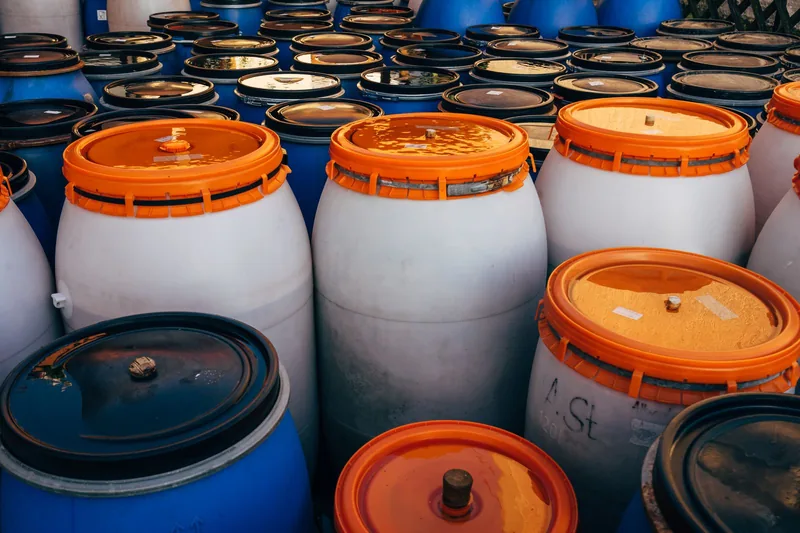
Collection may take more or less time based on site access, how many containers are present and correct separation of the waste before arrival. The containers leave your site before treatment and final disposal, which means those later stages have a separate timeline.
| Scene | Typical time on site |
|---|---|
| Small scheduled pickup | Commonly the quickest stop if all containers are sealed and prepared |
| One-time pickup with several containers | Takes longer because each container and waste stream must be checked |
| Loose, leaking or unknown waste | May require new packaging following assessment before being transported |
Moisture, a damaged bag, an open lid or waste stored too long can cause odor around a medical waste container. Do not investigate by opening it, and do not apply fragrance inside. Limit access to the area and look for exterior damage. If you cannot clearly identify the source, arrange for an assessment.
Odor removal starts by correcting the source, not masking the air. Once leaking or contaminated materials are safely contained and removed, hard surfaces can be cleaned and treated with an EPA-registered disinfectant for the full label contact time. Air quality work may include ventilation or HEPA air cleaning, depending on what affected the room.
The full medical waste removal guide covers what is cleaned or removed, odor and air quality work, and the rules that apply in North Carolina and Mecklenburg County.
Read the full medical waste removal guideLocal housing, population and access details can shape containment, access and cleanup planning.
At roughly 2.0 miles away, Atrium Health Pineville is the closest listed hospital for urgent care after a cut, puncture, or exposure.
The surrounding area includes Montclaire, Currituck, and Parkdale, so cleanup travel may cross several local streets or municipal boundaries.
A neighborhood address can differ from its broader city label, making the full street and unit information important for discreet cleanup access.
You can ask about cleanup in nearby communities and ZIP codes during the call.
Biohazard waste pickup and disposal in sealed, labeled containers.
See biohazard waste disposal
Cleanup removes sharps and needles from parks, rental sites, yards and encampments.
See needle and sharps cleanup
Clinics, healthcare facilities and care homes receive biohazard cleanup.
See hospital and healthcare biohazard cleanup
Commercial and industrial sites receive biohazard cleanup arranged around operating needs and site access.
See commercial and industrial biohazard cleanup
Cleanup that controls hepatitis B, hepatitis C and HIV exposure from blood.
See bloodborne pathogen cleanup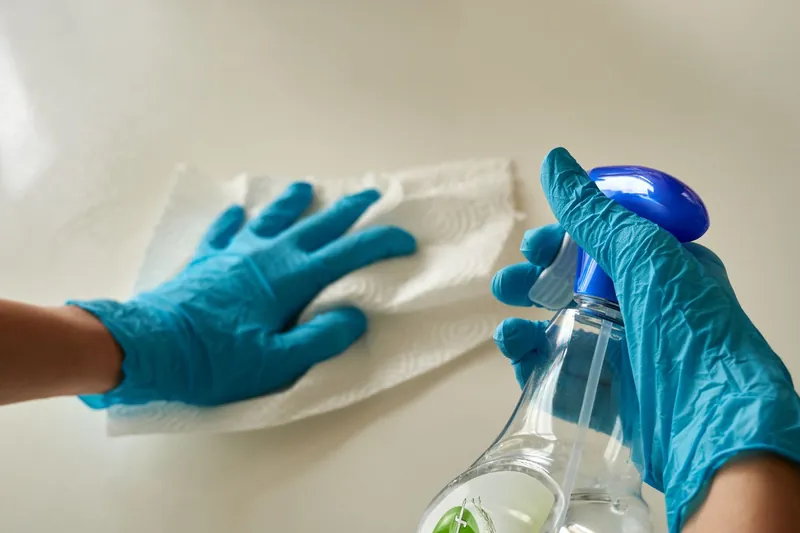
Walls, carpets, furnishings and hard floors receive blood cleanup, with safe disposal afterward.
See blood cleanup
Bodily fluid cleanup and disinfection for homes, care settings and businesses.
See bodily fluid cleanup
All surfaces receive full coverage with EPA-registered products for infectious disease disinfection.
See infectious disease disinfectionPut sharp items in a hard sharps bin, while eligible soft materials belong in their mandated sealed and marked container. Keep both out of ordinary trash except where a specific applicable rule says otherwise. Because state requirements differ, verify the current rules for containers, transportation and treatment prior to collection.
Whether coverage applies varies with the cause of the contamination and the terms of your policy. Cleanup following a sudden occurrence differs from ongoing waste removal. Ask your insurance company about claim eligibility for disposal, transport, container costs and cleanup after describing what occurred.
Human waste can contain microorganisms and may need biohazard precautions when it is outside the body, especially when blood is present or a person could contact it. How you dispose of it varies with the substance, surroundings and local regulations. Do not place unknown contaminated waste into a medical waste container without checking.
Yes, when the material is packaged properly and falls within the service's accepted waste categories. Identify blood cleanup, an accident, a clinical setting or another affected area as the source of the waste. Tell the service about liquids, unknown material, container damage or loose sharp items ahead of arranging collection.
The type of waste and where it occurs affect the general ranges shown in published guides. Regulated medical waste is listed at 30 to 80 cents per pound, while medical waste disposal is listed at $2 to $20 per pound. Container needs, transport, pickup timing, waste type and total weight all affect the charge.
Do not clean the waste material itself or separate it into categories. Restrict people from the space while leaving loose sharps alone and keeping the container untouched. Before disinfection, hard surfaces in the affected area may require removal of all visible matter. Use professional cleanup for leaking bags, porous materials, larger spills and unknown substances, with proper waste disposal afterward.
Discreet, respectful medical waste removal, 24 hours a day, with crews in unmarked vehicles.